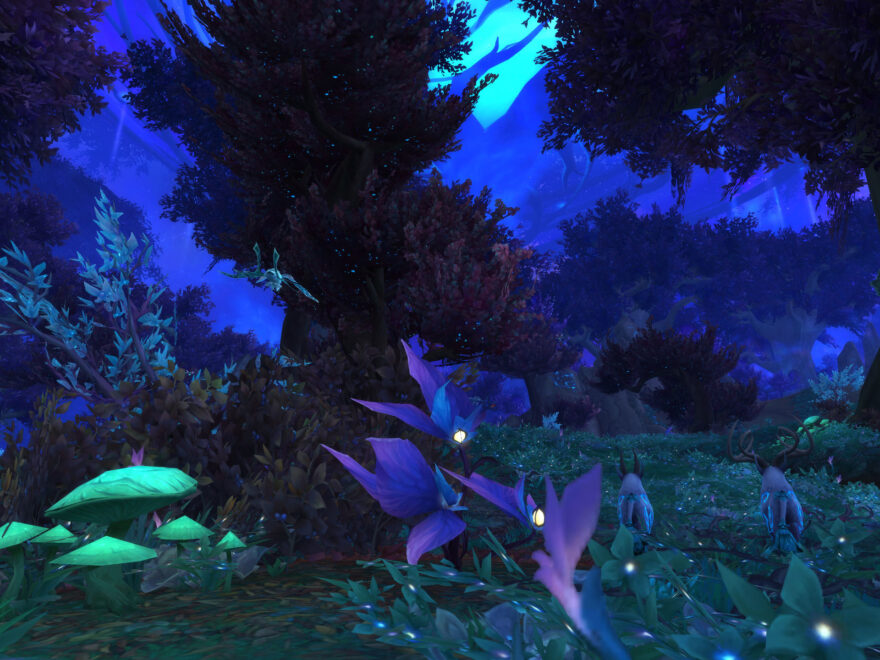
Azeroth has always been a world defined by its landscapes—but equally by the structures that rise from them. Ancient spires, forgotten citadels, titan-forged vaults, and the mysterious ruins scattered across continents reveal a timeline far older than any mortal race. Each piece of architecture whispers stories of epochs before the Sundering, before the Legion’s invasions, and even before the titan-forged shaped the world. The deeper scholars dig, the clearer it becomes: Azeroth’s architectural past is a map of forgotten civilizations and rising empires.
“Spires of Majesty” explores the lost structures of Azeroth—not only their forms and functions but the mysteries they conceal. These edifices influence culture, magic, and questing paths even today, proving that the echoes of ancient builders still reverberate beneath every stone.
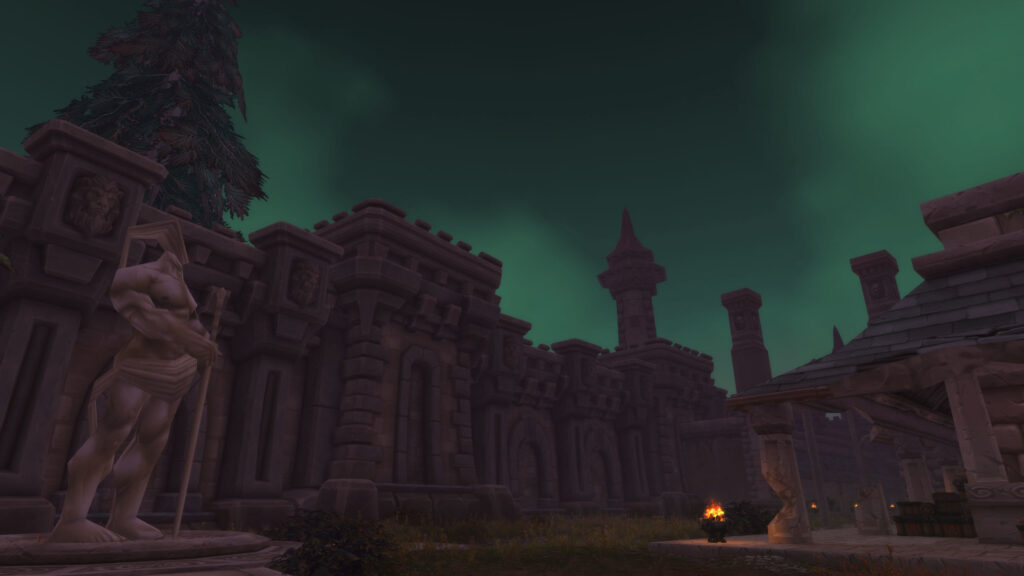
Titan Influence on Early Architecture
Many of Azeroth’s oldest structures bear the unmistakable signature of titan-forged design. Angular stone, luminous runes, clockwork gears, and towering silhouettes mark the remnants of titan vaults. From Ulduar to Uldaman, these sites were once hubs of creation and surveillance. Their walls remain intact even after millennia of elemental upheaval, a testament to craftsmanship beyond mortal reach.
For explorers and archaeologists, titan ruins represent both a challenge and an opportunity—an architectural puzzle whose pieces reveal the titans’ true intentions for the world.
The Rise and Fall of Highborne Spires
No civilization matched the Highborne in elegance and arcane mastery. Their spires combined artistry with arcane engineering, weaving magic into every arch and balcony. These structures stood as symbols of unchallenged dominion during the height of the kaldorei empire. Yet arrogance and catastrophic misuse of power led to their downfall, leaving behind ruins such as Eldre’Thalas and parts of Zin-Azshari.
Even shattered, these spires inspire awe. Their lingering enchantments speak of a culture that believed beauty and magic should intertwine seamlessly.
Table: Major Architectural Eras of Ancient Azeroth
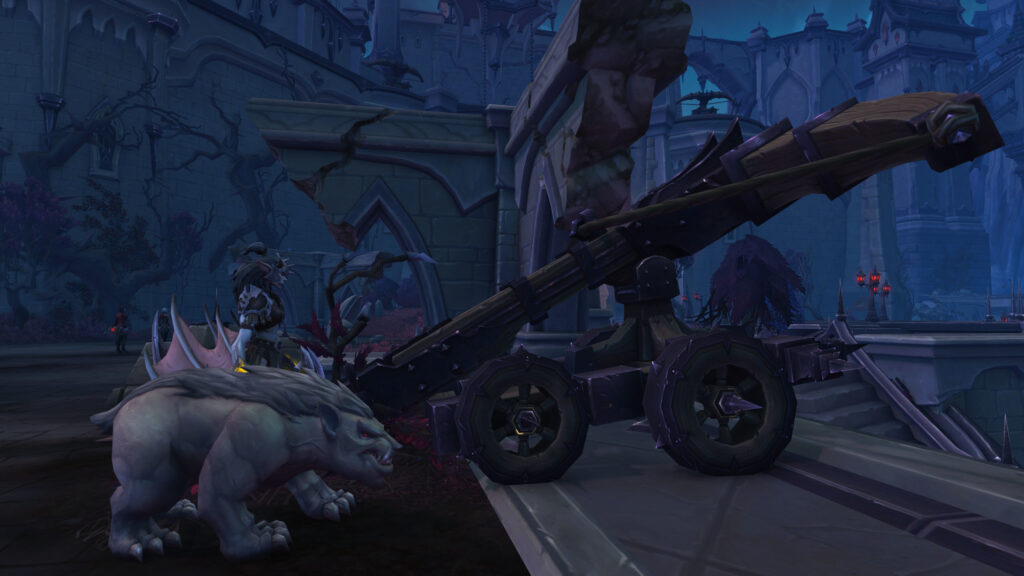
Azeroth’s history can be organized through the rise, evolution, and collapse of its architectural eras:
| Era | Builders | Architectural Traits |
|---|---|---|
| Titan Age | Titan-Forged | Rune matrices, mechanical systems, massive scale |
| Kaldorei Empire | Highborne Elves | Arcane-infused spires, moonlit stone, ornamental arches |
| Troll Dynasties | Zandalari, Drakkari | Stepped pyramids, temple plazas, gold inlays |
| Jeweled Halls | Earthen & Dwarves | Carved tunnels, geometric pillars, gemstone mosaics |
| Black Empire | Old God Cults | Tentacular growths, void-infused structures, asymmetry |
The interplay between these eras forms the visual language of Azeroth’s continents today.
The Zandalari and Their Endless Monuments
The Zandalari Empire carved its legacy in stone long before many other races emerged. Their stepped pyramids served as altars, temples, and power centers reflecting worship of loa spirits. Their builders employed precision stone-laying techniques unmatched by most civilizations. Even their debris tells a story of fierce pride and enduring culture.
The Zandalari say their architecture was meant to echo the mountains—eternal, unyielding, and sacred.
The Draconic Cities Hidden in the Peaks
While dragons rarely build cities for mortals to explore, their sanctuaries and roosts can be found atop peaks touched only by wind and fire. The Dragon Isles revealed ruins shaped by the Aspects themselves—arcane circuits carved into stone, crystalline conduits channeling elemental energy, and spires that rise like the wings of ancient wyrms.
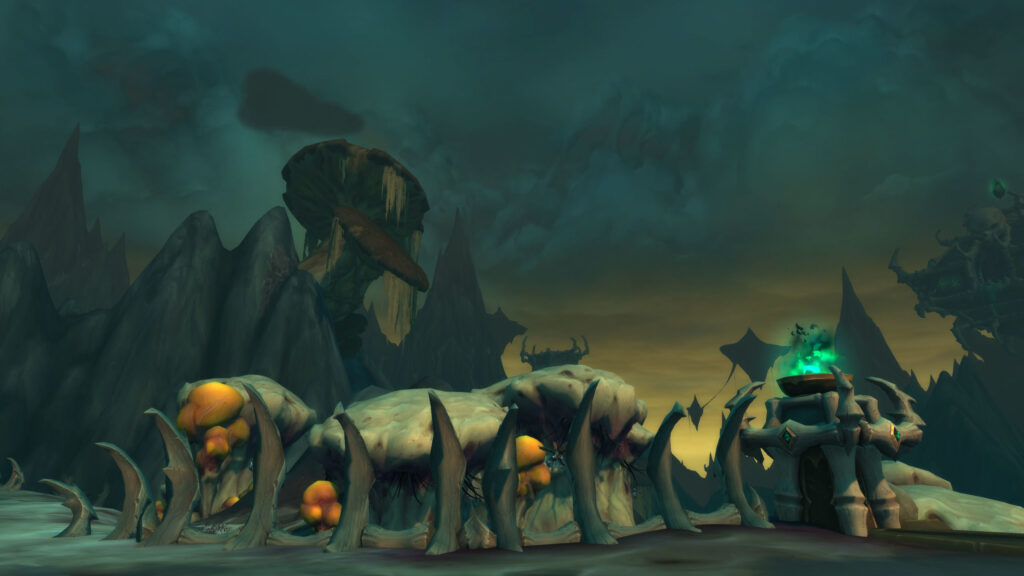
These sites are not merely settlements—they are living vaults of power where stone remembers the touch of dragonflame.
The Whispering Architecture of the Black Empire
Long before titans reshaped Azeroth, the Old Gods ruled a landscape warped by void madness. Their structures defied symmetry. Their walls pulsed like living tissue. Their spires curved in unsettling ways, mimicking the tendrils of beings beyond comprehension. Although the Black Empire fell, its remnants linger in underground caverns and corrupted landscapes.
Scholars who study these ruins often describe hearing faint whispers—echoes of an ancient consciousness that refuses to die.
Architectural Echoes in the Modern Age
Modern cities like Stormwind, Silvermoon, and Orgrimmar retain hints of their respective ancestral architectures. Stormwind’s gleaming walls echo titan geometry. Silvermoon’s curves reflect Highborne heritage. Orgrimmar’s blunt spikes channel the rugged fortresses of ancient orc clans. Even small villages carry fragments of old styles, from kaldorei treework to dwarven stonecutting.
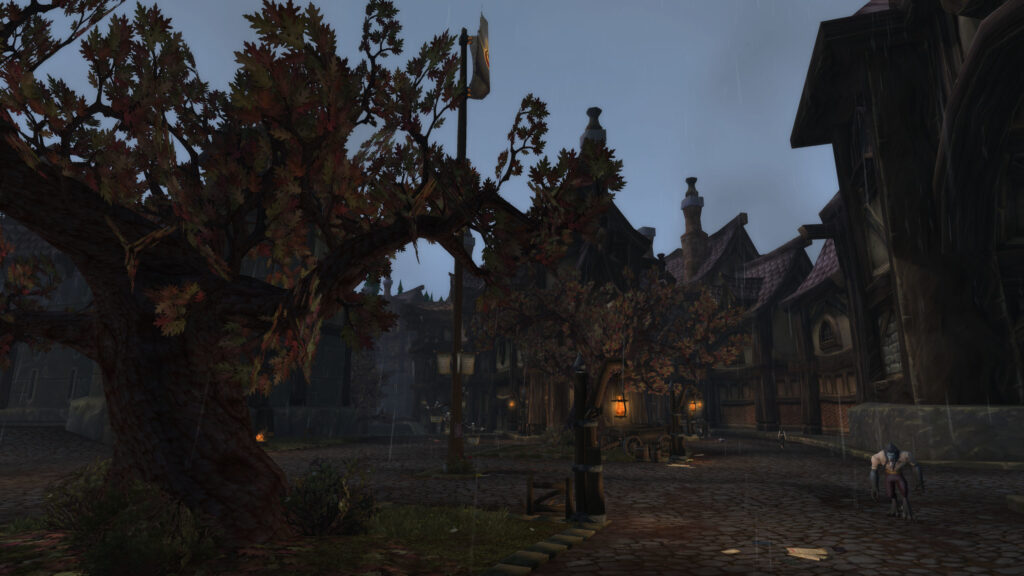
Every structure is part of a lineage—a reflection of the civilizations that shaped Azeroth before mortals even walked the land.
Archaeology as a Tool of Cultural Memory
Archaeology in Azeroth serves not only as gameplay but as storytelling. Each artifact reveals a piece of the world’s architectural evolution. Explorers in Pandaria uncover sculpted jade figurines that predate the empire’s fall. Broken titan consoles found in Storm Peaks hint at lost machinery. Even small relics, like etched stones or ceremonial tools, reveal design philosophies of civilizations long vanished.
Through these discoveries, players connect with a living museum of cultures across eras.
The Future of Ancient Architecture
New expansions continually unearth more of Azeroth’s buried past. From the depths of Khaz Algar to the forgotten chambers beneath Silithus, each reveal expands the architectural map of the world. Perhaps the greatest secrets are still hidden—entire cities swallowed by sand, temples consumed by jungles, vaults locked behind titan seals waiting to be activated.
What lies beneath the surface today may shape the conflicts of tomorrow.
Conclusion
Azeroth’s architecture is more than stone and history—it is a chronicle of empires, a testament to cosmic battles, and a foundation for the stories still to unfold. From titan spires to elven ruins and troll pyramids, each edifice ties modern narratives to eras nearly forgotten. As long as ruins remain standing, Azeroth’s future will always be connected to its ancient past.
The spires of majesty rise not only from the ground but from memory itself, reminding the world that history is carved in more than parchment—it is carved in stone.





Leave a Reply