
Introduction
Buy Classic WoW gold is the main form of currency in the game. For new players, having extra gold lets you skip long hours of grinding and focus on having fun. Gold can cover many costs that come up as you explore dungeons, take on quests, and learn new skills. With enough gold, you can afford better armor or weapons sooner, buy mounts to travel faster, and stock up on potions or food that help you stay alive in tougher areas. Instead of spending dozens of hours just to afford a single item, you can use your gold to move forward at your own pace and keep the game exciting.
Having a solid amount of gold also gives you more freedom in how you play. You can try out different character builds by buying the necessary gear or materials without worrying about saving every copper. If you want to train a secondary profession, you can pay the fees right away rather than farming for materials first. This freedom opens up more choices in the early levels, so you can test out crafting, gathering, or other activities without losing game progress. In short, buying gold helps you focus on the parts of Classic WoW you enjoy most, whether that is questing, tackling group dungeons, or experimenting with your character’s skills.
For many beginners, the gold barrier can feel like a wall that slows down progress. With extra gold, you move past that wall and into the heart of the game content. You get to see more of what Classic WoW offers instead of repeating basic tasks for a slow trickle of coins. By having a clear plan for how you will use your gold, you can make choices that match your play style and keep your adventure moving forward.
Key Uses for Your Gold
Once you have gold in your account, you will need to decide how to spend it wisely. The first major use is gear upgrades. Better weapons, armor, and accessories make a big difference in your damage output and survivability. You can buy items from auction houses or friendly traders to replace starter gear and keep your stats competitive. Enchantments can also boost your gear further, adding extra bonuses like increased strength or spell power. Spending on these upgrades gives you a solid return by making questing and dungeon runs faster and safer.
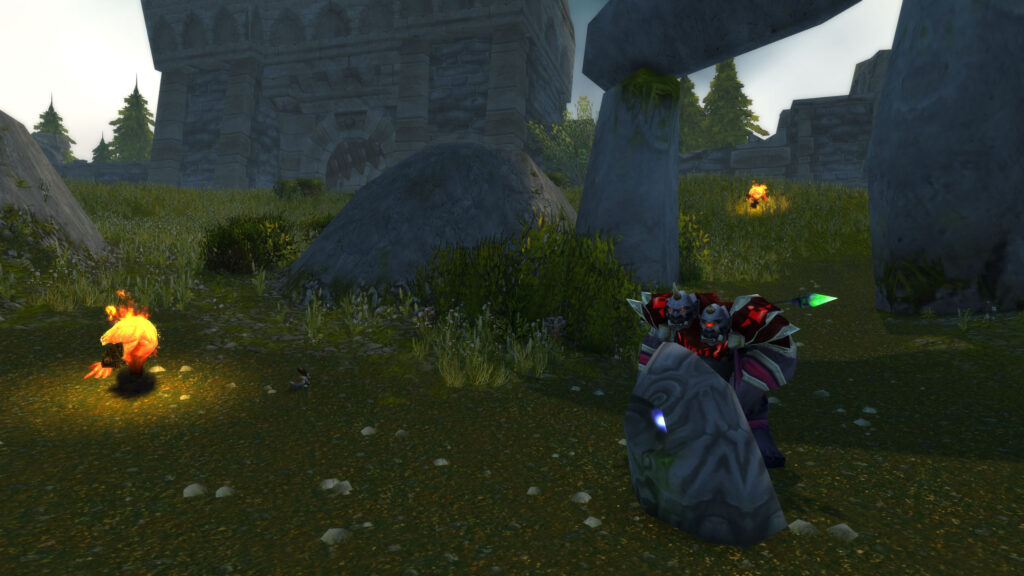
Another key area is mounts and travel. A ground mount can cut travel time by more than half, letting you spend more time on quests or farming. In Classic WoW, many travel routes require paid training fees, and mounts cost a sizeable chunk of gold. By covering both training and mount costs, you can zip between cities and quest hubs with ease. This is especially useful if you want to try many different zones without walking long distances.
Consumables are also a smart way to use gold. Health potions, mana potions, food buffs, and stat elixirs all help you push through tough fights or heal up quickly after taking damage. Stocking up on these items can save time and allow you to complete dungeons without running back to town to recover. You can plan ahead by buying the right mix of potions and food for your class and role, whether that is tank, healer, or damage dealer. With the right consumables on hand, you can meet tougher challenges and make progress faster.
Understanding In-Game Value
Gold in Classic WoW has different values depending on the server economy and current patch. Knowing the typical costs of common items helps you set spending limits. For example, a basic set of green-quality gear might cost a few gold on one server but ten times more on another. Always check auction house listings to see average prices for items you need. You can track price trends over a week or two to spot any shifts before committing a large sum.

Supply and demand affect prices heavily. If many players are farming a certain type of ore or herb, the market price for that resource will drop. Conversely, rare crafting recipes or high-level enchants can command premium prices if few players can supply them. By paying attention to which items are in short supply, you can decide whether it makes sense to buy now or wait for prices to fall. This knowledge helps you stretch your gold further and avoid overpaying.
Seasonal events and patch updates can also change prices. When a new raid opens, demand for high-end gear and consumables spikes, driving up costs. Similarly, holiday events can flood the market with event-specific items that might later become rare. Planning your purchases around these cycles can save you gold. If you know a major patch is coming soon, you might hold off on buying certain items until the in-game economy stabilizes again. By staying aware of these shifts, you can make smarter spending choices and get more value from every gold piece.
4. Setting Your Gold Budget
A clear budget helps you decide how much gold to use now and how much to keep for future needs. Start by dividing your gold into three pools: Spend, Save, and Invest. The Spend pool covers immediate needs like gear upgrades and consumables. The Save pool sits in your bank for unexpected costs or major items later. The Invest pool goes into ventures like crafting materials that you expect to sell for profit. Below is a simple table to guide your allocation:
| Pool | Percentage of Total Gold | Purpose |
|---|---|---|
| Spend | 50% | Gear, mounts, potions, food buffs |
| Save | 30% | Major purchases, special events, raids |
| Invest | 20% | Crafting materials, auction speculation |
Use this table as a starting point. Adjust percentages based on your play style. If you enjoy dungeons, you might raise Spend to 60% for more consumables. If you like crafting, increase Invest to 30% and lower Save. After every major purchase, revisit your pools. For example, if you dip into Save to buy a mount, transfer a portion of any new gold you earn to refill that pool. By tracking your gold this way, you avoid running out mid-raid or missing out on a limited-time item.
A budget also helps you plan for seasonal shifts. When a new raid launches, you may boost Spend temporarily to cover raid consumables and gear repairs. After the event, shift gold back into Save and Invest to rebuild reserves. Over time, this cycle lets you balance fun upgrades with long-term stability.
5. Managing and Storing Gold
Organizing your gold across characters and banks prevents loss and keeps funds accessible. Here are key methods to manage your coins:
- Personal Bank Tabs
Store your main reserve in the tabs you unlock early. Keep only essential gear or materials here to avoid clutter. - Guild Bank (if allowed)
Contribute a small share to shared guild funds for group events or repairs. Don’t place personal gold here. - Mailing Between Characters
Use the mail system to move gold from low-level alts to your main. Send small daily amounts to avoid mail expiration. - Addon Tracking
Install a simple money-tracker addon to see gold totals per character and on each server. This helps you spot where idle funds sit. - Physical Wallet Organization
In your real-world notebook or note app, list each character’s gold. Update weekly to track growth or spending.
By keeping only a portion of your gold on each character, you reduce risk if that character gets targeted by in-game scams or accidental trades. Regularly clear your personal bags of vendor trash and deposit vendor profits immediately. For any high-value item you buy, split the cost so it doesn’t all sit on one character. This way, you always have a back-up stash if one character loses funds or you choose to switch roles.
Finally, set a routine—such as after every dungeon run—to deposit gold into your bank or mail it to your main. A few minutes each play session keeps you organized, avoids lost mail, and ensures you always know where your assets are held.
6. Spending Gold Wisely
With a budget in place and organized storage, focus on spending gold where it makes the most impact. Here are practical tips:
- Prioritize Gear Upgrades
Buy upgrades that boost your main stat first. For example, a weapon with higher damage is more valuable than an off-hand item that adds minor bonuses. Use your Spend pool to grab these first. - Stock Up on Consumables
Keep potions, food, and elixirs on hand before tackling dungeons or quests. Buying in bulk often lowers cost per unit. - Time Your Purchases
Watch the auction house for off-peak hours when fewer players are online. Prices often dip late at night or early in the morning. - Bundle Profession Training
Group training sessions to save on travel fees. If you need multiple levels of a profession, buy all training at once instead of paying fees several times. - Monitor Event Sales
Holiday events sometimes offer discounts on certain items or recipes. Save a small part of your Save pool to buy these when available. - Reinvest Profits
When you sell crafted goods or farmed items, put half the profit back into your Invest pool to grow your future earnings.
By following these steps, each gold piece works harder for you. Gear upgrades help you clear content faster, consumables prevent time-wasting trips back to town, and smart timing saves you coins on basic items. Over weeks of play, these choices add up, giving you both immediate benefits and a growing reserve for major goals like top-tier mounts or high-level raids.
7. Growing Your Gold Reserve
Building up your gold reserve means finding ways to earn extra coins without much effort. One simple method is to farm low-level zones where resources spawn quickly. For example, mining nodes in a starting zone can be gathered solo in minutes, and ore sells steadily on the auction house. Herbalism works the same way: pick a zone with fast-growing herbs and run loops while you complete quests. Over time, these small runs add up to significant gold.
Another approach is crafting items that always sell. Identify recipes for bandages, potions, or simple trinkets that many players need. Gather or buy materials in bulk during off-peak auction hours, craft your items, and list them at competitive prices. You’ll move stock faster and maintain a steady gold flow. Keep an eye on the buyout-to-auction ratio: if you can buy materials for less than half the sale price of your crafted item, you earn a solid profit margin.

Group activities also pay off. Running dungeons with a regular group often yields vendor trash and rare drops you can sell. Instead of vendor-selling gear, list uncommon items on the auction house where collectors look. If you reach max level and clear endgame dungeons, rare recipes and high-level crafting materials can fetch hundreds of gold each. Even a few sales per week can boost your reserve.
Finally, look for seasonal or event opportunities. Holiday events drop unique items that later become rare once the event ends. Stock up on these items during the event and sell afterward for higher prices. By combining easy farming routes, crafting, dungeon runs, and event flipping, you create diverse income streams that keep your gold reserve growing steadily over time.
8. Frequently Asked Questions
What’s a good starting gold amount?
A solid starting point is around 20–30 gold. This covers basic gear upgrades, one ground mount, and a stack of consumables. With that amount, you can train a profession, buy a mount, and still have funds left for repair bills and potions.
How often should I check prices?
Check the auction house at least once a day, especially if you’re buying materials or selling crafted goods. Prices can shift quickly when new content is released or when many players farm the same resource. A daily check takes only a few minutes but helps you spot good deals and avoid overpaying.

Which items hold value long-term?
Recipes for high-level consumables, rare crafting patterns, and event-only items usually keep their value. For example, special holiday pets or mounts often rise in price after the event ends. Level 60 raid recipes for flasks and enchantments also hold steady because players always need endgame buffs.
Can I switch between farming and crafting?
Yes. If you notice farming routes yield low returns, switch to crafting items in demand. Use your profit from crafting to buy more farming materials, or vice versa. Balancing both methods prevents burnout and keeps your gold income consistent.
9. Conclusion
Buying Classic WoW gold gives new players a fast start and more freedom to explore the game. By using your gold on gear upgrades, mounts, and consumables, you’ll move through content faster and enjoy a wider range of activities. A clear budget with Spend, Save, and Invest pools keeps your funds in check and ready for anything. Organizing gold storage across characters and banks helps prevent loss and makes your coins easy to access when you need them. Spending wisely—prioritizing major upgrades, timing your purchases, and reinvesting profits—ensures every gold piece works hard for you.
Growing your reserve with simple farming runs, crafting for profit, dungeon runs, and event flips keeps your wealth increasing over time. Checking auction prices daily and focusing on items with lasting demand helps you avoid bad deals. With a solid starting amount and regular market checks, you’ll always know when to buy materials or sell crafted goods. Over weeks of play, these steps add up: you’ll have more gear, better mounts, and a growing bank that covers future upgrades.
Use this guide as your reference for making the most of your gold in Classic WoW. With clear planning and simple earning methods, you can leave the grind behind and enjoy the best parts of the game from level one to sixty and beyond. Good luck, and may your gold always be well spent!





Leave a Reply