
Introduction
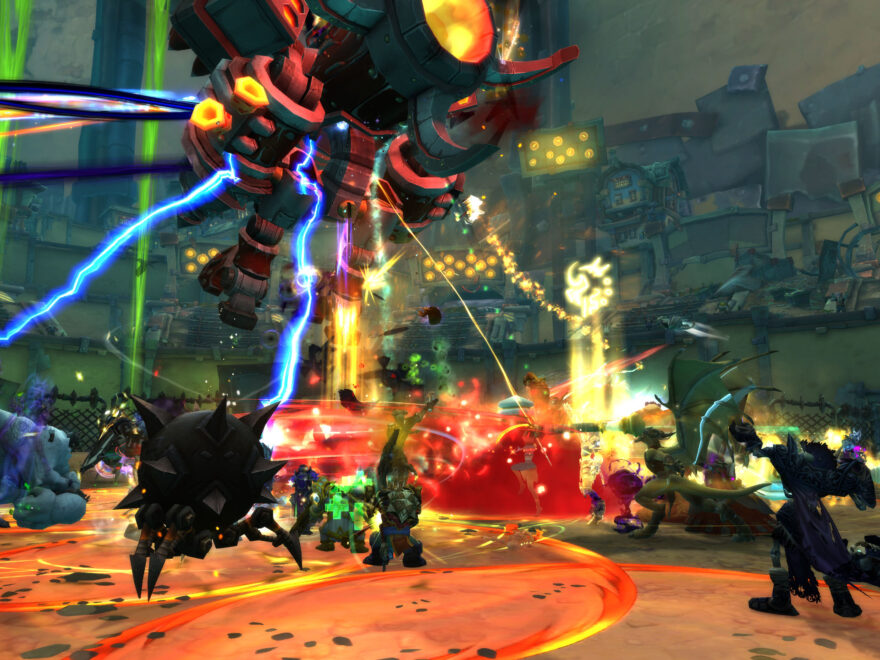
Guilds have always been a central part of World of Warcraft. From the early days of the game, when players banded together for raids and dungeons, to the current state of the game, where guilds play a key role in competitive PvE and PvP, guild culture has evolved.
In this article, we’ll explore how guild culture in WoW has changed over the years, from its beginnings to where it stands today, and what it means to be part of a guild in the current WoW environment.
Guild Culture: Then and Now
| Era | Guild Culture | Changes Over Time |
|---|---|---|
| Early WoW (Vanilla and The Burning Crusade) | Guilds were small, tight-knit groups focused on raiding, PvP, and socializing. Players were more dedicated to their guilds. | The advent of cross-realm guilds and the rise of large guilds with diverse members changed the community dynamics. |
| Wrath of the Lich King | Guilds grew in size as more people wanted to experience end-game content. The introduction of guild achievements added a new layer to guild activities. | Guilds became more organized, with leaders focused on running large, structured raids and achieving guild-wide goals. |
| Mists of Pandaria and Beyond | Guilds became more inclusive, with players focusing on specific goals such as Mythic+ runs or competitive PvP. | Guilds began to focus more on specialization, with some guilds concentrating purely on PvE while others focused on PvP. |
| Current WoW (Shadowlands and Beyond) | Guilds are still essential for group content but are more casual and spread out across various content types, including Mythic raids, dungeons, and even roleplay. | Modern WoW has seen an increase in cross-realm guilds, streamers’ guilds, and guilds built around niche communities like roleplaying. |
Why Guilds Are Still Vital in WoW
Guilds continue to be an essential part of WoW’s experience because they provide structure, support, and camaraderie. Whether you’re raiding at the highest difficulty, running dungeons, or just looking to chat with friends, guilds give players a sense of belonging.
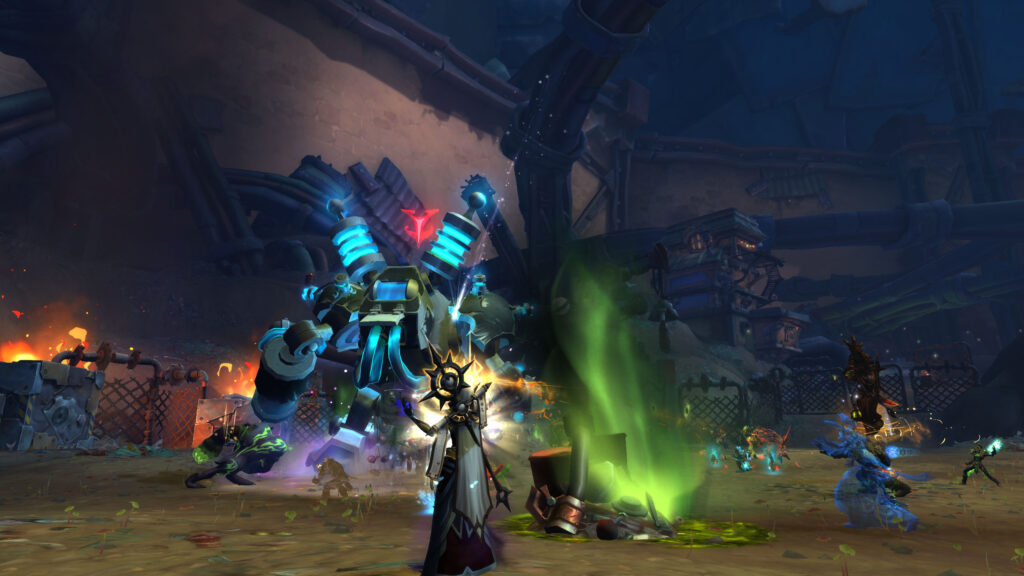
Despite the changes in how guilds operate, the community they foster remains one of the strongest aspects of WoW. Guilds offer a unique social experience that continues to attract players, providing not just in-game rewards but lasting friendships.
How Guilds Help New Players
In the current WoW ecosystem, guilds play an especially important role in onboarding new players. Many new adventurers feel overwhelmed by the scope of the game, and a welcoming guild can provide the mentorship, guidance, and social encouragement that keeps them engaged.
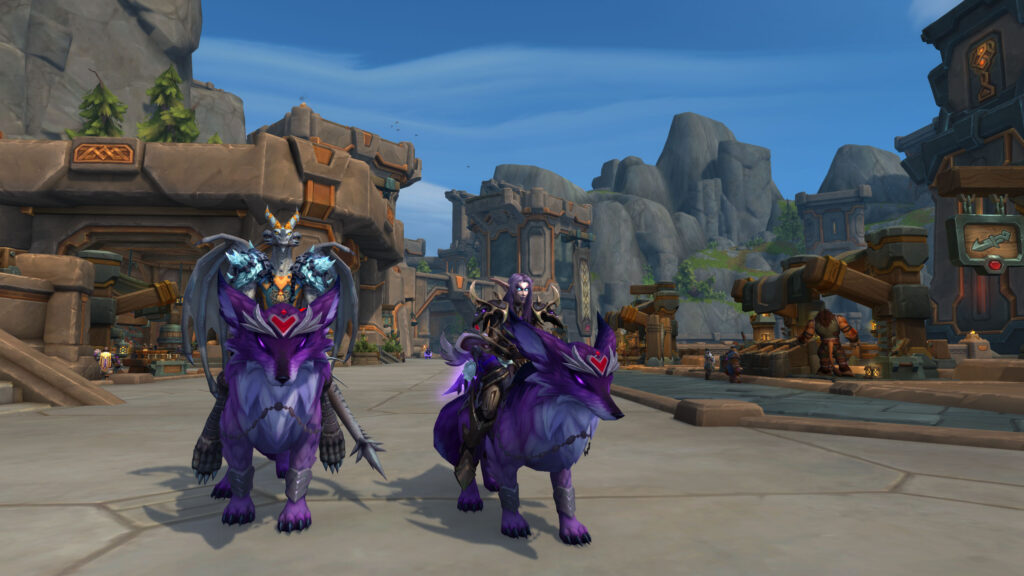
Guild members often help with leveling, dungeon runs, and understanding game systems like professions or talents. This kind of support can make the difference between someone quitting early and becoming a long-term player.
Community-Driven Events and Legacy
Beyond in-game progression, guilds have also made their mark on WoW through community-driven events. From large-scale server tournaments to charity transmog contests and real-life meetups, guilds have transcended the game itself. These events build a sense of tradition and legacy, with some guilds maintaining activity and recognition for over a decade. This long-standing presence provides continuity in a constantly evolving game, grounding players in a shared history and culture.
Benefits of Joining a Guild Today
For players considering joining a guild in modern WoW, the benefits are numerous:
- Access to organized raiding and Mythic+ groups
- Social connection and reliable communication channels
- In-game perks such as guild repairs, heirloom vendors, and achievements
- Opportunities to join Discord communities and participate in cross-game events
- Guidance from experienced players for character progression and class builds
Even if you’re a casual player, joining a guild enhances the gameplay experience and helps you make the most of everything WoW has to offer.
Conclusion
Guild culture in World of Warcraft has evolved significantly, but one thing remains the same: guilds continue to provide players with a sense of community, structure, and purpose.
While the dynamics of guilds have shifted from tightly-knit groups to larger, more diverse organizations, the importance of guilds in WoW has never waned. Whether you’re part of a casual guild or a competitive raiding guild, being part of a guild in WoW still holds immense value, providing countless opportunities for growth, collaboration, and fun.





Leave a Reply